Now you’ll finally see
what actually changes once
the Visual Sales Layer is in place — and why it works immediately.

When you add this layer,
your content stops asking people to believe
and starts letting them see.
And that one shift changes everything:
your posts move from “this resonates” → to “I trust her”
every visual has one job: show delivery, not describe it
ordinary moments become proof, not filler
conversations begin closer to “yes”
sales lose the emotional drag,
because the decision is already made visually
Different niches.
Different offers.
Same result:
once the outcome is visible, hesitation disappears.
Because here’s the real truth:
You were never missing proof.
You were missing visibility of that proof.
Your tools,
your environment,
your interactions,
the real context where transformation happens —
those are the cues that make someone feel:
“Okay… this works. I can trust her.”
Right now, those cues are invisible.
The Visual Sales Layer makes them visible on purpose.
Not with polished photos.
Not with pretending.
Not with aesthetics.
But with the quiet visual moments that answer the only question that matters:
“Does this actually work in real life?”
When those cues are present, your visuals do two things at once:
Show the result exists
Show choosing you is safe
That’s the moment content becomes predictable and reliable.
People stop lingering.
Momentum begins without you pushing.
And this is exactly where your income starts stabilizing — because the trust gap finally closes
Let me show you
what this looks like in practice.
Here’s a client who applied the Visual Sales Layer using only her phone:

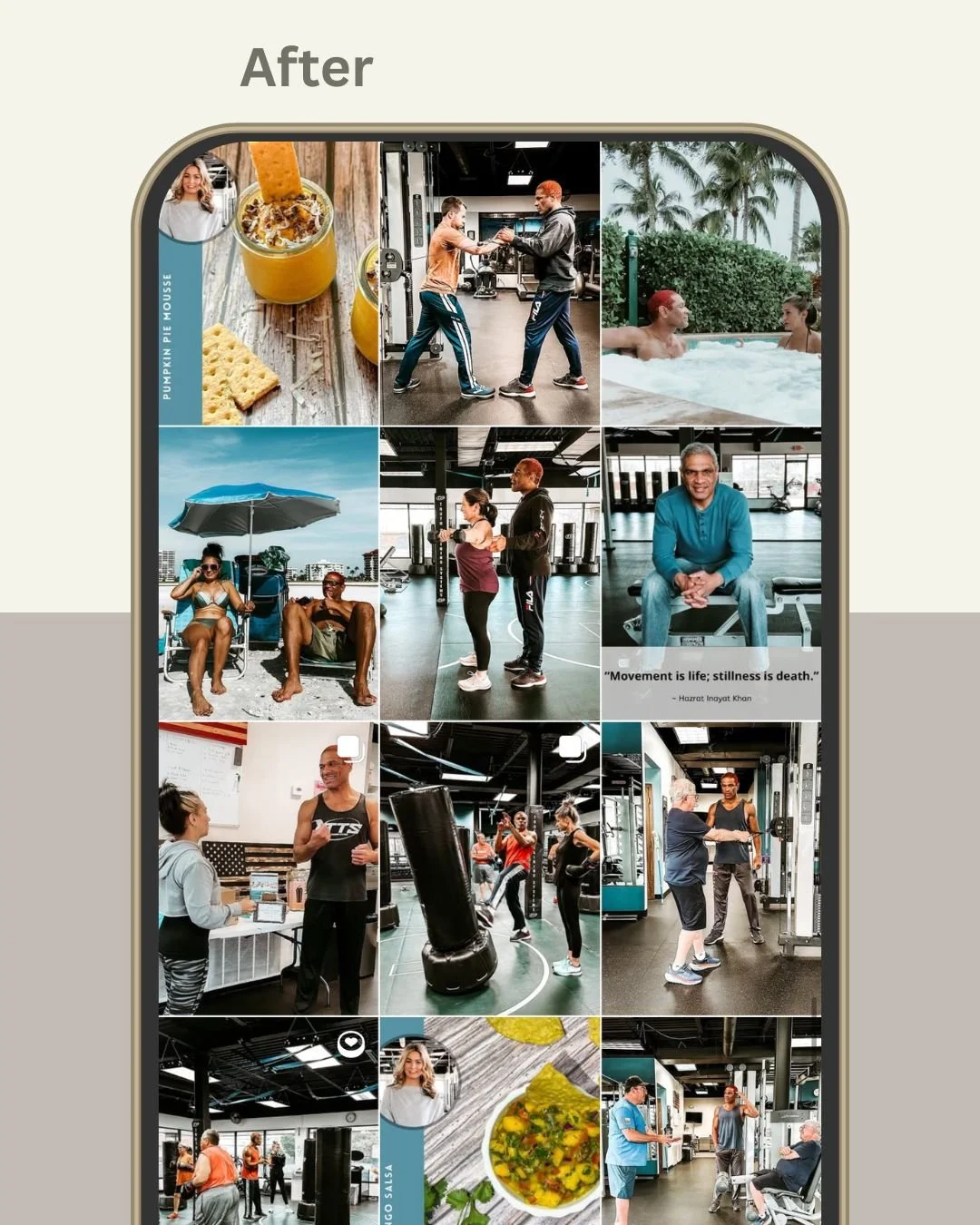
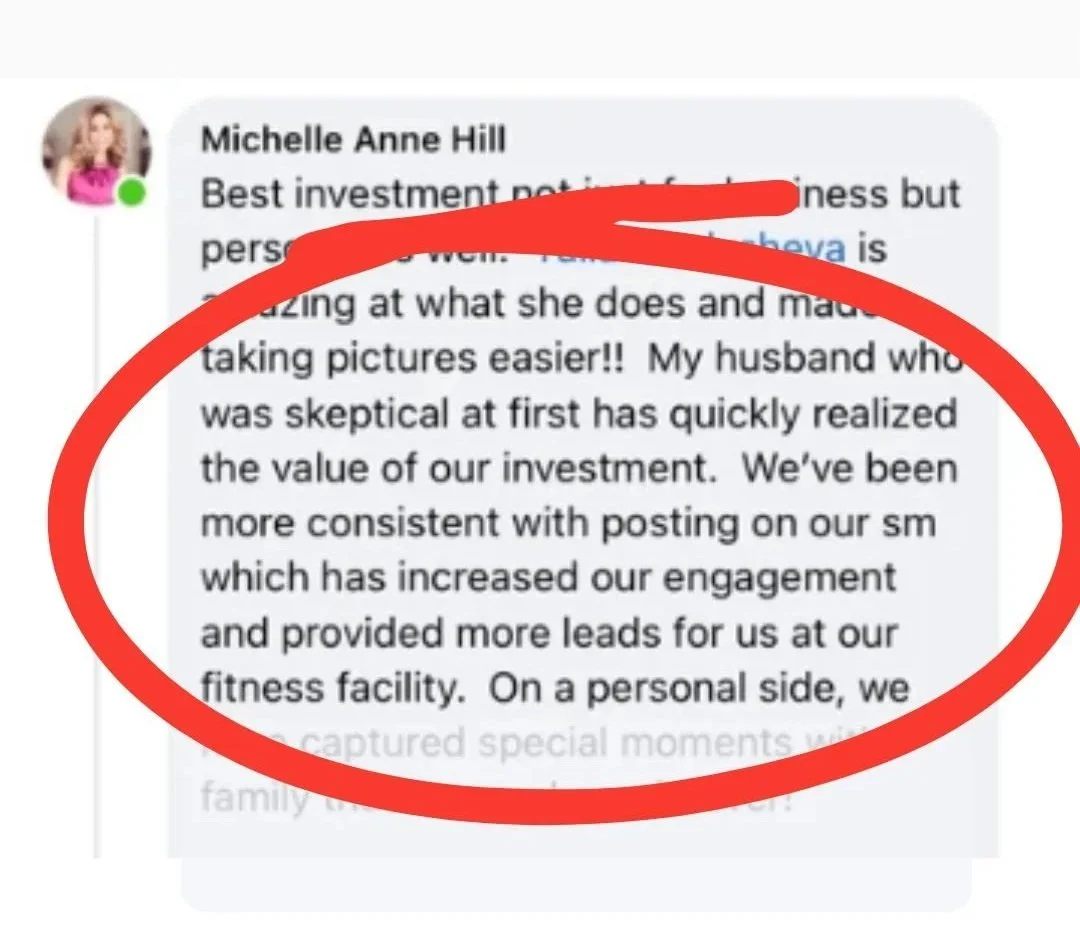
And before your brain jumps to the wrong conclusion, we need to clear up one thing.
What you’re seeing has nothing to do with
“beautiful photos,”
aesthetic feeds,
photography skills,
staging,
or editing.
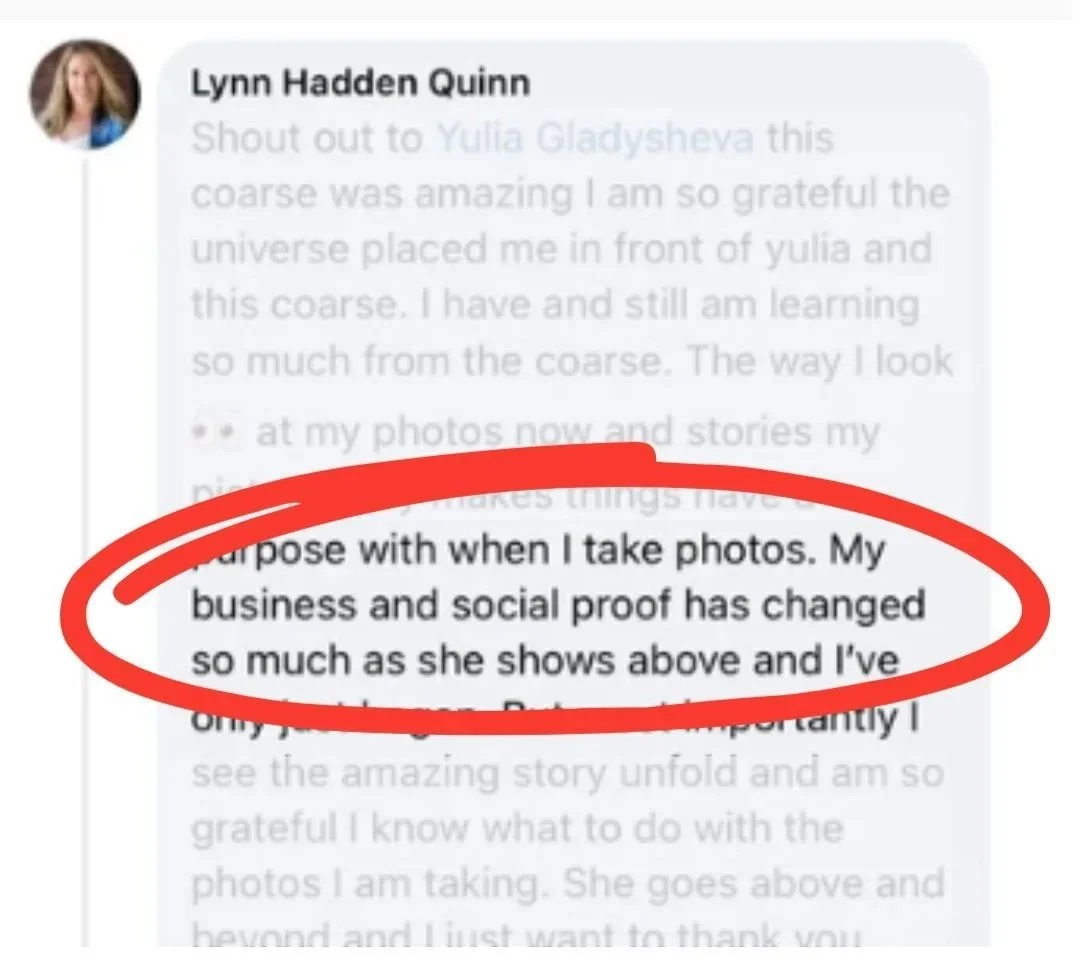
None of the coaches you’ll see here had any of that.
What they did was simple:
they added the same missing piece you’re reading about right now
by themselves,
without studios,
without production,
without trying to look polished.
Just using a phone
and what they already had —
in a way that answers the buyer’s real question:
“Can this person actually deliver the result they’re talking about?”
Their offers didn’t change.
Their words didn’t change.
But as soon as they added the Visual Sales Layer,
their content stopped asking for belief
— and started showing delivery.


This didn’t come from a course.
It came from years inside real businesses —
why content that looks “right” still fails to convert
in a burned market.
For a long time, explanation was enough.
Today, it isn’t.
That’s why almost no one teaches this.
They’ve never worked inside the actual moment
where buyers hesitate.
👉 This is the point where most coaches drop off —
and the exact moment their results stall.
If you stop here,
nothing in your content will change.
If you keep going,
this is where everything finally does.
Before you get the tools to fix this,
we need to address the 3 thoughts
that usually stop coaches right here —
because if they stay unaddressed,
nothing you just realized will change.
Q: What if I can’t take photos?
A: This usually doesn’t mean you can’t take photos.
It means you don’t yet see what counts as proof in your work.
You’ll learn the simplest way to start taking the right images — without planning, setups, or learning photography.
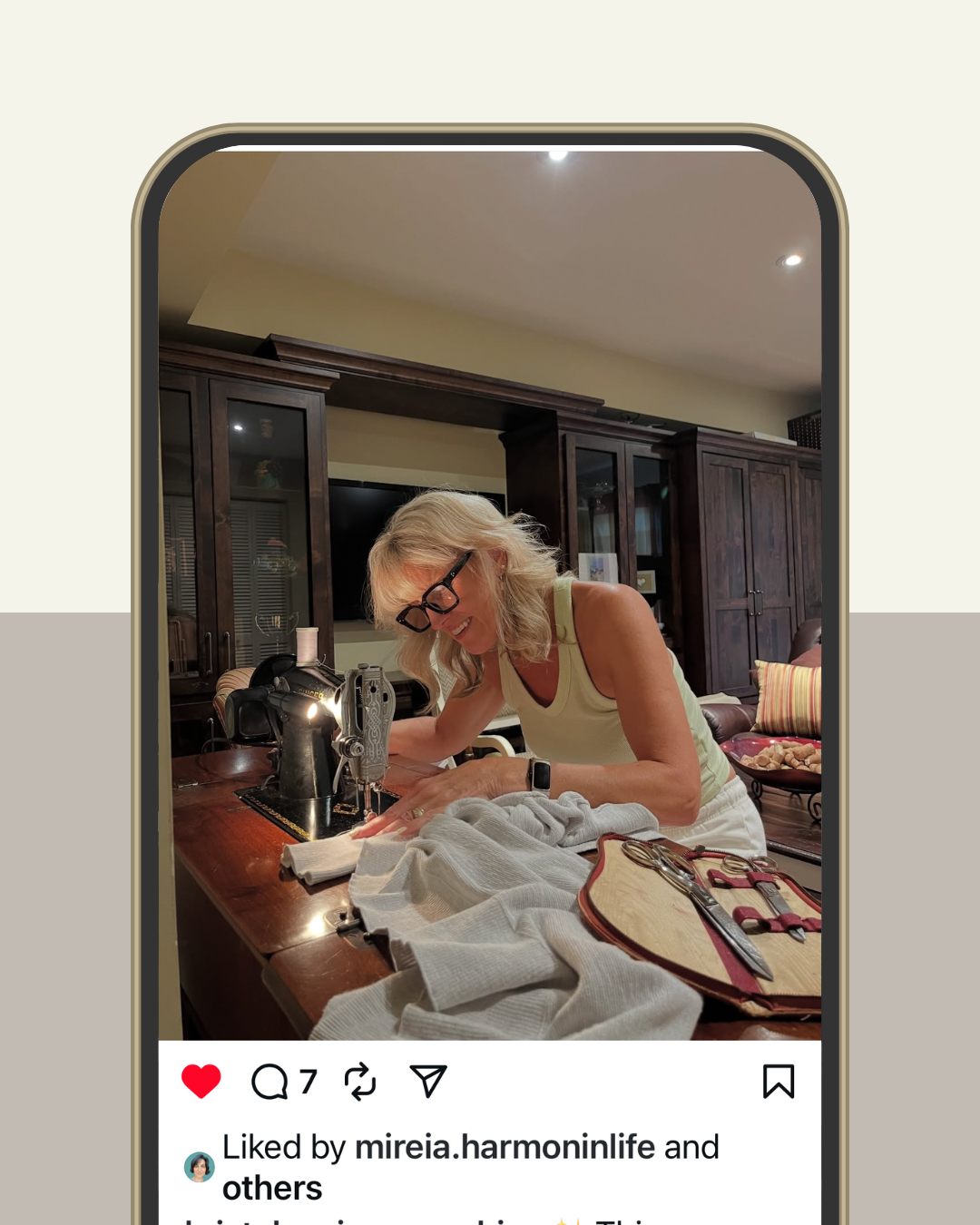
Here is an example of what coaches like you began documenting after seeing the same instruction you’ll get.
If you can take a simple selfie, you can do this too.

Q: Is this only about photos? What if I prefer video?
A: No — this works with both photos and video.
The Visual Sales Layer is about what is visible, not the format.
If you love video, have the time, and want to use it — the same principles apply.
A video can carry delivery signals the same way a photo can.
Photos are simply the fastest, lowest-effort way to apply this:
no scripting
no filming time
no staging or preps
no pressure to “perform”
no hours of editing
One photo can carry the same decision signal a long video does — without turning you into a full-time content creator.
That’s why I teach this through photos.
Not because video doesn’t work —
but because most coaches don’t need more production.
Coaches need clarity and proof with the least friction possible.
If you want to do more — you’re free to.
If you want content that works without taking over your life, photos do the job.
Q: What if I don’t like how I look in photos?
A: That’s usually not about you — it’s about how the photos are taken.
When images are built around “me, look at me”, all attention goes to appearance. That’s when self-judgment kicks in — and it’s also why the content doesn’t work for business.
This training shifts visuals away from self-presentation and toward what people actually need to see to understand your work.
Once the image stops being about you, the pressure drops.
Most people start liking their photos because they’re no longer being evaluated.
How to make that shift is exactly what I show inside the training.